.avif)
Why Europe and America Need Each Other

European elites have let their snobbery towards Trump blind them to their own interests.
European elites are greeting the incoming Trump administration with something less than enthusiasm. The UK has sent an ambassador to Washington with a well-expressed disdain for the returning US president. Le Monde, a French publication not known for its pro-American sympathies, called Trump’s election ‘the nail in [the] coffin’ for the US as a ‘democratic model’ for the world. The Guardian, predictably, has called for Europeans to fight to preserve the continent’s welfare and climate regime.
Some seem to think that Trump’s return is the spur Europe needs to finally stand on its own two feet. But they need to recognise, as was the case during the Second World War and the Cold War, that only a strong alliance between Europe and the US offers any hope of resisting the rise of an authoritarian bloc, this time grouped around China.
There are hopeful signs. Since the start of the Ukraine conflict, ties between Europe, Canada and the US have been strengthened. There is some promise in an incipient alliance between North America and India, Japan and Australia. But Europe cannot expect the US to bear the strategic burden itself.

Politics
%20Richard%20Samuelson%20%20-%20Is%20American%20Nationalism%20Still%20Creed-able_-1.jpg)
Is American Nationalism Still Creed-able?
We are not there now, but there is reason to worry that the United States is in danger, if we are not careful, of ceasing to be a nation with the principles of 1776 at its core.
National Civitas Institute Poll: Americans are Anxious and Frustrated, Creating a Challenging Environment for Leaders
The poll reveals a deeply pessimistic American electorate, with a majority convinced the nation is on the wrong track.
.webp)
%20(1).avif)


Proxy Firms Don’t Have to Disclose Conflicts. That Should Change
The firms whose advice can move those votes bear no comparable duty for the advice itself. States can close that gap by applying an enduring standard from the Supreme Court.
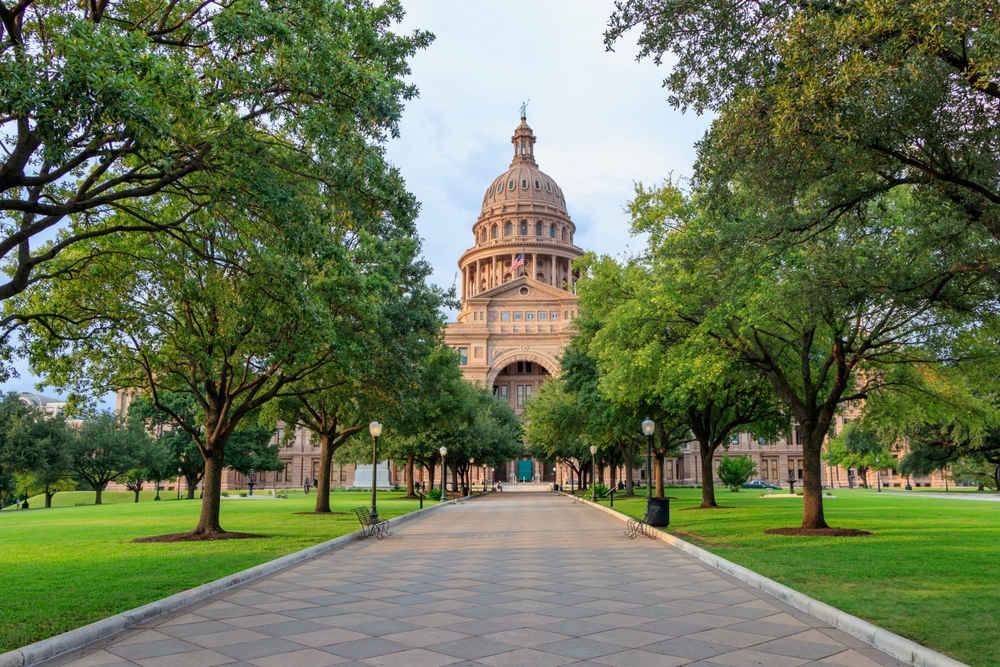
Texas May Soon Have More People Than California — Here’s Why
California natives are voting with their feet.




.jpg)