.avif)
Charter Schools Are Not ‘State Actors,’ And SCOTUS Should Have Said So

Charter schools need more autonomy than district schools if American families are going to have real choice in education.
The Supreme Court deadlocked on Thursday in St. Isidore of Seville Catholic Virtual School v. Drummond. The tie is a loss for low-income families, who are the primary beneficiaries of charter schools. The Supreme Court’s decision not only calls into question the rights of faith-based organizations to compete in the charter school marketplace, it also leaves intact a recent ruling holding that charter schools are legally equivalent to traditional district schools. Charter schools need more autonomy than district schools if American families are going to have real choice in education.
Although the justices did not issue an opinion, the oral argument revealed that they were split on whether faith-based organizations could operate charter schools. But the religion question hinges on a more fundamental issue — whether charter schools are private organizations or “state actors,” the legal parlance for governmental or quasi-governmental entities that are treated as the government for legal purposes.
If faith-based charter schools are private entities, then they are entitled to the free exercise of religion, and the state could not discriminate against them on the basis of religion any more than it could discriminate against religious organizations that contract with the city to find homes for foster children. If, on the other hand, charter schools are state actors, then they cannot operate as faith-based schools for the same reason that traditional public schools cannot be religious: state actors must be secular.

Pursuit of Happiness
The Rise of Latino America
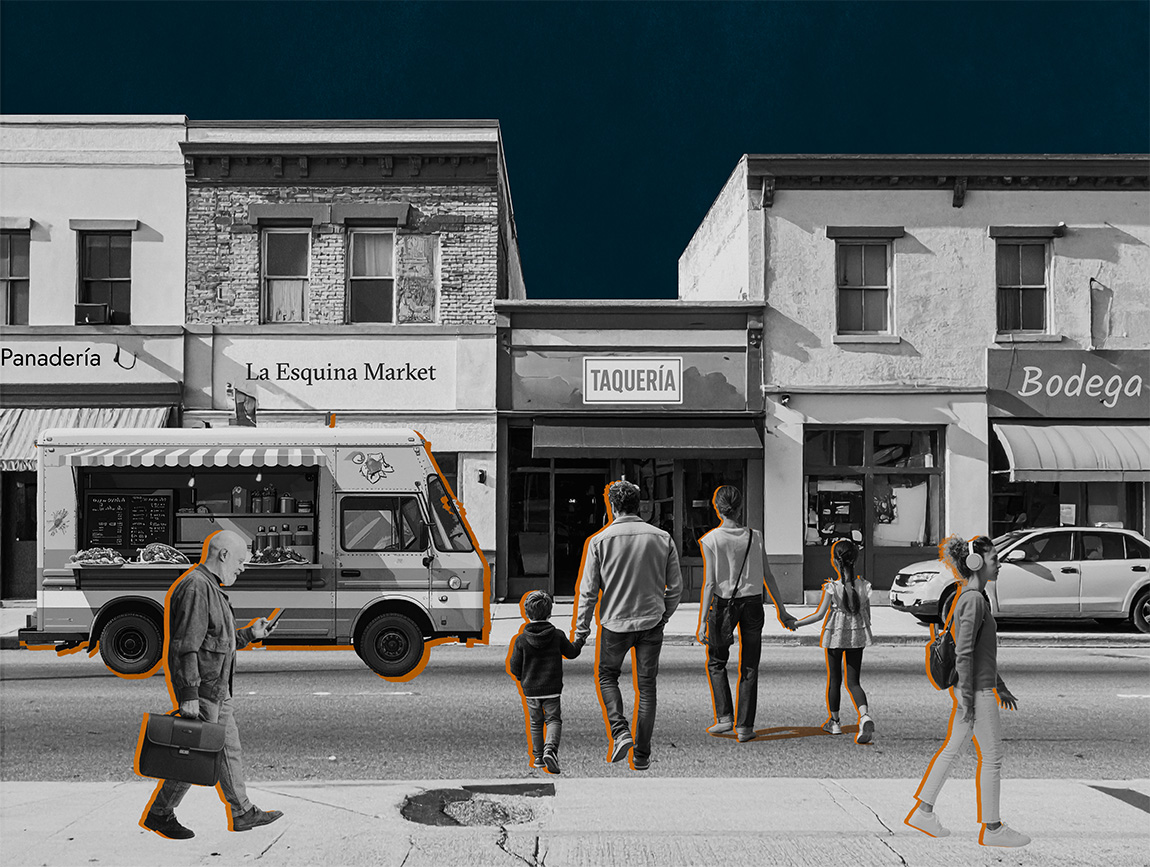
In The Rise of Latino America, Hernandez & Kotkin argue that Latinos, who are projected to become America’s largest ethnic group, are a dynamic force shaping the nation’s demographic, economic, and cultural future. Far from being a marginalized group defined by oppression, Latinos are integral to America’s story. They drive economic growth, cultural evolution, and workforce vitality. Challenges, however, including poverty, educational disparities, and restrictive policies, threaten their upward mobility. Policymakers who wish to harness Latino potential to ensure national prosperity and resilience should adopt policies that prioritize affordability, safety, and economic opportunity over ideological constraints.






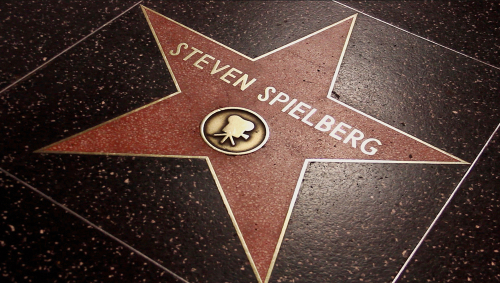
Spielberg’s Empty Hope
'Disclosure Day' should have been called 'Hope and Change,' or rather 'Change and Hope.'
.jpg)
Deliberative Republicanism and the Triumph of the American Founding
Instead of rejecting the moral urgency of the postliberal right and left, it is fitting and proper that we redirect it through the right kind of education—both formal and informal—that can inspire affection for our Constitution.
.jpg)